
The Hidden Problem With Prediction Markets: Who Pays the Winners?

 Prefer us on Google


Prediction markets are growing fast, but their biggest challenge may not be regulation or technology. It is a more fundamental question: if some traders consistently win, where does the money come from?
Platforms like Polymarket and Kalshi have turned future events into tradable contracts, allowing users to speculate on elections, economic trends, and other real-world outcomes. Supporters see prediction markets as a powerful forecasting tool that can turn collective information into market signals. However, critics argue that their business model faces a structural problem: winners rely on other participants losing.
How Prediction Markets Turn Uncertainty Into Trading
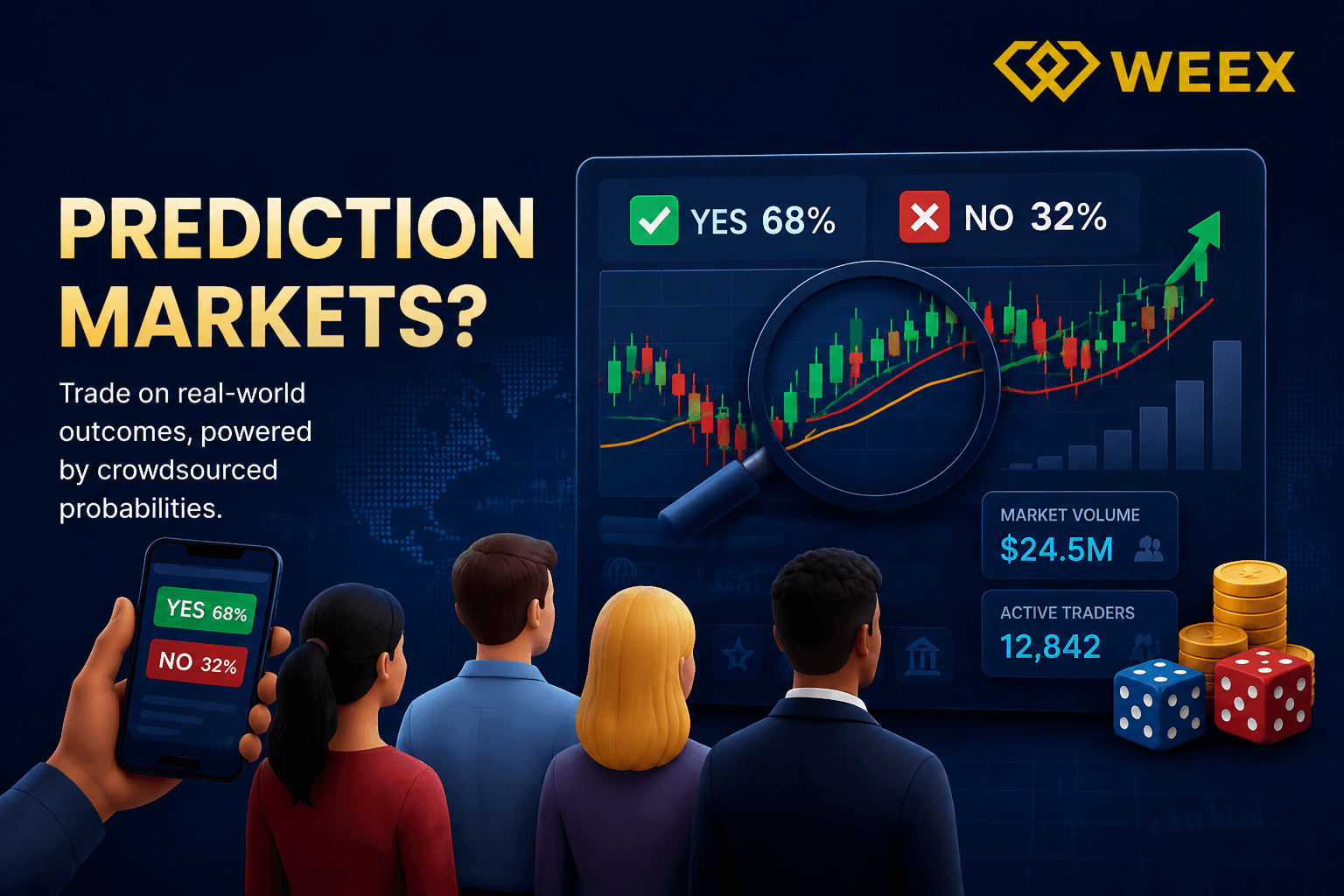
Prediction markets allow users to buy and sell contracts linked to future events. The contract price changes as market expectations shift, creating a market-based estimate of the probability of an outcome.
For example, if a contract trades at $0.40, the market roughly suggests a 40% chance of that event happening. Unlike traditional betting, users can trade positions before the final result, making prediction markets closer to financial markets in structure.
This mechanism is why supporters believe prediction markets can capture valuable information. But the same trading structure also creates questions about fairness and long-term sustainability.
The Promise: Can Prediction Markets Improve Forecasting?
The strongest argument for prediction markets is the idea of “wisdom of crowds.” When many participants with different information trade in the same market, prices may reflect a broader view of future probabilities.
This concept was explored through the Iowa Electronic Markets, launched by researchers at the University of Iowa in 1998. The project studied whether market-based forecasts could improve predictions, particularly in political events.
However, prediction markets are not automatically accurate. Their performance depends on liquidity, participant diversity, and whether enough informed traders are active.
The Hidden Cost: Prediction Markets Are a Zero-Sum Game
Unlike traditional investments, prediction markets usually do not create value through business growth or economic activity. Instead, participants trade against each other, meaning one trader’s profit often comes from another trader’s loss.
The video compares prediction markets to poker rather than the stock market. Skilled players may consistently earn profits, but the system requires enough losing participants to keep the game active.
This creates a difficult balance. If professional traders dominate the market, less experienced users may lose confidence and leave, reducing the liquidity that makes the market valuable.
Why Prediction Markets Need Both Experts and Casual Users
A healthy prediction market needs two types of participants.
Professional traders improve market efficiency by analyzing data and identifying opportunities. Their activity helps prices reflect information more accurately.
At the same time, casual users provide liquidity and increase market participation. The problem is that these users may eventually leave if they feel they cannot compete with experienced traders.
The video uses poker as an analogy: if professional players always win against casual players, the casual players eventually stop joining. A similar challenge could affect prediction markets.
Insider Information: Market Efficiency or Unfair Advantage?
Another challenge is the role of insider information.
Some supporters argue that informed trading can help markets react faster because valuable information is reflected in prices. Others worry that unequal access to information could damage trust among ordinary users.
The video discusses several cases where unusual trading activity around major events raised questions about whether some participants had access to non-public information. These examples highlight the tension between market efficiency and fairness.
For prediction markets to grow, users need confidence that prices reflect collective intelligence rather than advantages available only to insiders.
Can Prediction Markets Become a Sustainable Market?
Prediction markets have introduced a new way to measure uncertainty. Their ability to convert opinions into tradable probabilities gives them unique value.
However, their long-term success depends on whether they can attract diverse participants while maintaining trust and transparency.
The biggest question is not whether prediction markets can create winners. It is whether they can build a sustainable ecosystem where users believe they are trading information, not simply transferring money between participants.
Disclaimer: This content is provided for general branding and informational purposes only and doesn't constitute financial, investment, legal, or tax advice. Any events, rewards, online events, or related information mentioned herein should not be considered a recommendation, solicitation, or invitation to purchase, sell, trade, or otherwise deal in any crypto assets or to use any services. Crypto assets are highly volatile and may result in loss. WEEX services and online events may not be available in all regions and are subject to applicable laws, regulations, and eligibility requirements. You are responsible for ensuring that your use of WEEX services complies with local laws and for carefully assessing the risks before participating in any crypto-related activities.
You may also like

Tesla Stock Is Down 17% in 2026: What Q2 Earnings Need to Deliver to Turn the Story Around

What Is Mark Cuban's Stock Options Philosophy? How SpaceX Turned Welders Into Millionaires

SPCX Stock Price and the $25 Billion Short Position: Is a Short Squeeze Coming?

Is SPCX Stock Price a Buy? What Uber, Airbnb and Rivian's IPO Crashes Tell Investors
SPCX Stock Price Hits All Time Low: What Investors Should Do Right Now

How Will the CLARITY Act and Bank-Grade Stablecoin KYC Rules Change Crypto Trading in 2026

Why Is BitMine Buying Millions of Ethereum Tokens and Staking $9 Billion in ETH in 2026

How to Protect Your Bitcoin from Physical Attacks: Lessons From the NYC Crypto Torture Case in 2026
What Is the NYC Crypto Kidnapping Case? The Soho Bitcoin Attack Explained — 2026 Case Analysis

SpaceX Stock (SPCX): Now Public, and Back Where It Started
USA Rare Earth (USAR): What It Is and How to Trade the Token
NVIDIA Stock in 2026: Real Shares, Tokenized NVDA, and Perpetuals Compared
How to Buy USAR Coin: Buying Tokenized USA Rare Earth Stock the Right Way
WEEX Poker Party Series 4: Draw Cards to Split a $1M USDT Pool
Can TENDIES Coin Recover After the Pullback? Price Outlook Explained
Who Really Makes Money on Prediction Markets? Smart Money vs Retail Traders
Prediction Markets Are the Future of Finance or Just Gambling?
How Polymarket and Kalshi Turned Predictions Into a Billion-Dollar Business

Why Prediction Markets Are So Hard to Regulate: The CFTC vs SEC Debate
Are Prediction Markets Legal? CFTC vs SEC Regulation Explained
Why Is TSMC Stock Down After a 77% Profit Jump? What Wall Street Is Actually Worried About
Is Samsung Stock a Buy at Its Lowest Level Since the AI Boom Began?
Samsung Stock and the KOSPI Bear Market: What the 30% Decline From Peak Tells Investors
Oil Price Above $90: What the US-Iran War Means for Your Portfolio Right Now
Iran War and Bitcoin: Why Crypto Is Not Acting Like a Safe Haven at $90 Oil
KOSPI Stock Market Enters Bear Market: What a 25% Drop From the Peak Means for Investors
KOSPI Stock Bear Market: What It Means for Samsung, SK Hynix and Korean Chip Stocks
Is the KOSPI Stock Market a Buy After Entering Bear Market Territory?
SK Hynix Leveraged ETFs SKHL SKHX SKHZ: What Each One Does and Who Should Use Them
Barclays Sees 70% Upside for SK Hynix Stock: What the Overweight Rating Means
Tesla Stock Is Down 17% in 2026: What Q2 Earnings Need to Deliver to Turn the Story Around
What Is Mark Cuban's Stock Options Philosophy? How SpaceX Turned Welders Into Millionaires
SPCX Stock Price and the $25 Billion Short Position: Is a Short Squeeze Coming?
Is SPCX Stock Price a Buy? What Uber, Airbnb and Rivian's IPO Crashes Tell Investors
SPCX Stock Price Hits All Time Low: What Investors Should Do Right Now
How Will the CLARITY Act and Bank-Grade Stablecoin KYC Rules Change Crypto Trading in 2026
Contents
Popular coins
Latest articles



