
Micron Stock and the $9.3 Billion Japan Factory: What It Means for HBM Production

Micron stock has been the subject of three competing narratives this week: Michael Burry's short position citing AI bubble concerns, 45 analysts maintaining Strong Buy ratings with targets averaging $1,486, and today's news that the company broke ground on a 1.5 trillion yen factory expansion in Hiroshima, Japan.
The Japan expansion is the most concrete piece of information in that mix. Unlike analyst targets or short positions, a groundbreaking ceremony represents capital that has already been committed, contracts that have already been signed, and construction that has already begun. When a company spends $9.3 billion building a factory specifically for AI memory production, it is making a statement about the demand environment that no earnings call commentary can fully replicate.
Understanding what the Hiroshima expansion actually means for Micron stock requires looking at what the factory will produce, when it will produce it, and how it fits into the broader AI memory supply picture that both bulls and bears are debating.
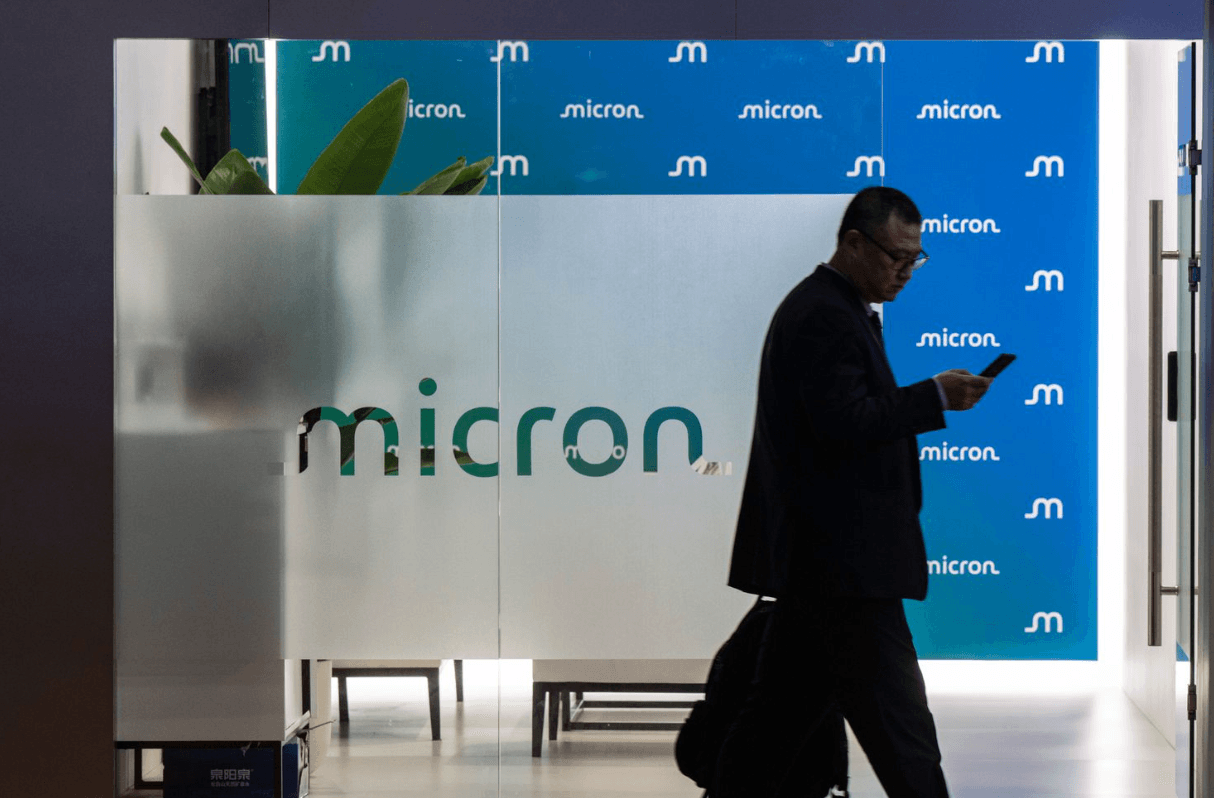
What the Hiroshima Factory Actually Builds
The Hiroshima facility is not a general-purpose semiconductor factory. Micron's existing Hiroshima operations have been one of the company's primary DRAM production centers for years, and the expansion announced today is specifically targeted at advanced memory chips for AI processors.
The most important product category that Hiroshima expansion supports is HBM. High-bandwidth memory is the specialized memory stacked directly onto AI accelerator chips — the product that has driven Micron stock's extraordinary performance and that represents the highest-margin segment of the memory business. Producing HBM at scale requires manufacturing precision and process technology that only a handful of facilities in the world can achieve. Hiroshima is one of them, and the $9.3 billion expansion is designed to increase that production capability significantly.
The expansion also supports next-generation DRAM more broadly, including the 1-gamma node technology that Micron has been developing as the successor to its current leading-edge 1-beta DRAM. More advanced DRAM nodes are required for both HBM production and for the high-performance data center DRAM that AI workloads demand in large quantities.
By expanding Hiroshima specifically rather than building a greenfield site, Micron is leveraging existing infrastructure, trained workforce, and established supply chain relationships. That approach typically produces faster ramp timelines and lower execution risk than starting from scratch, which matters given the supply constraint environment the company is trying to serve.
Why Japan and Why Now
The geography of the expansion deserves attention because it is not an accident.
Japan has emerged as a significant hub for advanced semiconductor manufacturing in the AI era. TSMC's Japan fab in Kumamoto, the Rapidus project targeting 2-nanometer logic chips, and Kioxia's ongoing NAND investments have collectively created an ecosystem of semiconductor manufacturing talent, specialized suppliers, and government support that makes Japan an attractive location for advanced memory production.
The Japanese government has been actively supportive of semiconductor investment through grants and incentives designed to rebuild domestic chip manufacturing capabilities. Micron's Hiroshima expansion has received support from Japanese government programs, which reduces the effective capital cost below the headline $9.3 billion figure and improves the return profile of the investment.
The timing reflects the window that Micron's management sees in the supply-demand balance. The CEO's commentary on the Q3 earnings call stated that memory market tightness is locked in beyond calendar 2027. Building a factory takes approximately two to three years from groundbreaking to meaningful production contribution. That timeline means the Hiroshima expansion's output arrives in the 2028 to 2029 timeframe — exactly when Micron's own projections suggest AI memory demand will be reaching its next phase of scale rather than its peak.
A management team that believed the AI memory cycle was near its peak would not break ground on a $9.3 billion factory today. The groundbreaking is itself a forward-looking statement about where the business is heading.
What This Means for the HBM Supply Picture
The HBM supply question is at the center of every debate about Micron stock, and the Hiroshima expansion changes that picture in specific ways that are worth tracking precisely.
Current HBM supply is dominated by SK Hynix at approximately 58% global revenue share, with Micron and Samsung each at 21%. Micron is in HBM4 production for Nvidia's Vera Rubin platform alongside SK Hynix. The Hiroshima expansion is not designed to immediately change those market share numbers, which are determined by current production capacity and existing qualification agreements.
What the expansion is designed to do is position Micron to compete for a larger share of HBM demand in the HBM5 and beyond era, which arrives in the 2028 to 2030 timeframe. By the time the Hiroshima expansion reaches meaningful production volumes, the next generation of GPU platforms after Vera Rubin will be in development or qualification. Micron's ability to compete for design wins on those platforms depends partly on having the production capacity to make credible supply commitments.
The supply addition from Hiroshima, combined with Samsung's Korean investment plans and SK Hynix's Yongin cluster, does mean that HBM supply will be meaningfully higher in 2028 and 2029 than it is today. This is the supply addition that bears like Burry point to as the eventual normalizing force. The bull case is that demand scales proportionally with supply as AI workload complexity increases and as the number of AI training and inference installations grows.
The Japan expansion represents Micron's bet that it does. The $9.3 billion is not being spent to add supply that management believes will sit idle or sell at commodity prices. It is being spent to serve demand that management believes will exist and will command premium pricing because HBM remains a specialized, differentiated product rather than a commodity even as absolute supply grows.
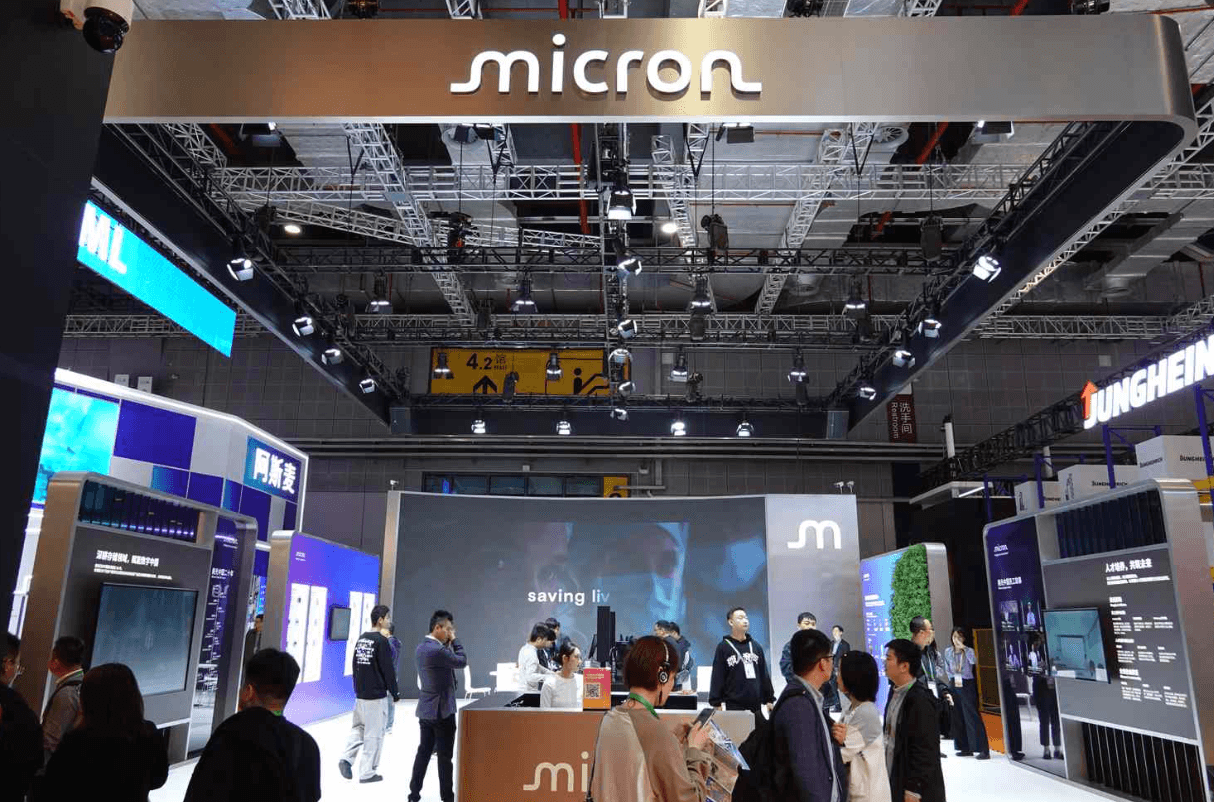
The Capex Trajectory That Investors Are Watching
The Hiroshima expansion arrives in the context of an already aggressive capex program that some analysts have flagged as a potential near-term concern for Micron stock's free cash flow profile.
Micron guided fiscal 2026 capex at approximately $27 billion. Management then indicated that quarterly capex in fiscal 2027 will be higher than fiscal Q4's $10 billion quarterly rate, implying annual capex potentially exceeding $40 billion in fiscal 2027. The Hiroshima expansion is a component of that broader capex trajectory, not an incremental addition on top of it.
The free cash flow math is straightforward. A company generating $50 billion in quarterly revenue at strong margins but spending $40 billion annually on capital expenditure is generating significant operating cash flow but deploying most of it back into the business. That reduces the free cash flow available for buybacks, dividends, and debt reduction, which affects near-term valuation multiples for investors who use free cash flow yield as a primary metric.
The bull case is that the capex being deployed today generates returns in 2028 and beyond that justify the near-term free cash flow compression. The bear case is that the capex arrives just as the memory cycle turns, creating a situation where Micron has committed billions to new capacity precisely as pricing normalizes.
Understanding where Micron's management actually stands on this tradeoff requires looking at the Hiroshima decision in context. A rational management team does not commit $9.3 billion to HBM production expansion in late 2026 if they privately believe the cycle will turn before that capacity generates meaningful returns. The groundbreaking is the clearest available signal of internal conviction about the demand trajectory.
How the Japan Expansion Fits Into the Broader Competition Picture
Micron's Hiroshima investment does not happen in isolation. SK Hynix is building the Yongin Semiconductor Cluster. Samsung is deploying its $648 billion Korean investment plan. TSMC is expanding in Japan, Arizona, and Germany. The entire advanced semiconductor manufacturing industry is adding capacity simultaneously in response to what each company's management believes is a structural, multi-year demand shift rather than a cyclical peak.
For Micron stock specifically, the competitive context matters because Micron's HBM market position at 21% share is the minority position behind SK Hynix at 58%. Closing that gap, or at minimum preventing it from widening further, requires manufacturing investments that keep pace with what SK Hynix and Samsung are building.
The Hiroshima expansion is one component of that competitive response. Micron's US factories, including the historic New York fab and the expansion of its Boise, Idaho, headquarters facilities, add domestic capacity that is politically important in the context of the CHIPS Act and customer relationships with US technology companies. The Japan expansion adds international capacity in a geography with existing manufacturing expertise and government support.
Together, these investments position Micron to compete for the next generation of HBM platform qualifications with a broader and more geographically diversified manufacturing base than it had when the current AI memory cycle began.
What Micron Stock Investors Should Take From Today's News
The Hiroshima groundbreaking is not a catalyst that will move Micron stock significantly in the near term. It is a long-duration signal that confirms the direction of Micron's strategic investment without changing anything about the immediate earnings trajectory.
For investors who were uncertain about whether Micron's management privately shares the confidence they project publicly, the $9.3 billion Japan commitment is the most concrete available evidence that the private and public views are aligned. Companies do not break ground on billion-dollar manufacturing expansions when their management teams are secretly worried the cycle is turning.
For investors weighing the Burry short against the analyst consensus, the Japan expansion adds a specific piece of evidence to the bull side of the ledger. It does not refute Burry's cyclicality thesis, which operates on a timeline longer than a single factory investment. But it does demonstrate that a management team with better demand visibility than either Burry or the analyst consensus has chosen to act in a way that is only rational if they believe the demand trajectory extends well beyond the near-term horizon.
For investors who have already decided to hold or buy Micron stock, the Japan expansion is confirmation that the company is managing for the medium and long term rather than managing the stock price in the near term. That is the kind of capital allocation discipline that tends to create value for patient investors even when it compresses near-term free cash flow.
For investors tracking stock, WEEX provides access to stock trading products, including the First Stock Trade Protected campaign offering eligible users additional protection on their first stock trade.
Conclusion
Micron stock's $9.3 billion Japan factory expansion is the most concrete available evidence of where the company's management believes the AI memory demand cycle is heading. Factories take years to build and require committed capital well before production begins. The Hiroshima groundbreaking represents a management team that has looked at its order books, its customer conversations, and its view of the HBM market through 2028 and beyond, and decided that adding significant production capacity is the right allocation of $9.3 billion.
That decision sits in direct tension with the Burry short thesis, which requires the cycle to turn before the new capacity generates returns. It aligns with the analyst consensus, which models continued HBM demand growth as AI infrastructure buildout scales toward the next generation of GPU platforms.
For Micron stock investors, the Japan expansion does not resolve the debate about whether the AI memory cycle is structural or cyclical. What it does is provide a clear statement of which camp Micron's management is in, expressed in the language that management decisions speak most clearly: where they are spending $9.3 billion.
FAQ
1. What is Micron's Japan factory expansion and why does it matter?
Micron broke ground today on a 1.5 trillion yen expansion of its Hiroshima factory, representing approximately $9.3 billion in capital commitment for advanced AI memory production, including HBM. The expansion signals management confidence in the AI memory demand trajectory extending well beyond the current quarter.
2. When will Micron's Japan factory start producing HBM?
Factory expansions typically take two to three years from groundbreaking to meaningful production contribution. The Hiroshima expansion output is expected to arrive in the 2028 to 2029 timeframe, positioning Micron for the HBM5 era and the next generation of GPU platform qualifications.
3. Does the Japan expansion mean more HBM supply is coming?
Yes. The Hiroshima expansion, combined with Samsung's Korean investment plans and SK Hynix's Yongin cluster, means HBM supply will be meaningfully higher in 2028 and 2029 than today. The bull case is that AI demand scales proportionally. The bear case is that supply additions normalize pricing before demand catches up.
4. How does the Japan expansion affect Micron stock's free cash flow?
The expansion is part of a broader capex trajectory that includes approximately $27 billion in fiscal 2026 and guidance for higher quarterly capex in fiscal 2027. High capex compresses near-term free cash flow, which affects valuation multiples for investors using free cash flow yield as a primary metric.
5. What does the Japan groundbreaking tell investors about management's view of the AI memory cycle?
A management team that privately believed the cycle was near its peak would not commit $9.3 billion to HBM production expansion today. The groundbreaking is the clearest available evidence that Micron's internal view of the demand trajectory extends well beyond the near-term horizon that the Burry short thesis depends on.
Disclaimer
This content is provided for general informational and educational purposes only and should not be considered financial, investment, legal, or tax advice. Nothing in this article constitutes an offer, recommendation, solicitation, or invitation to buy, sell, or trade any crypto asset or use any specific service. Crypto assets are highly volatile and involve a high degree of risk. You may lose some or all of the value of your investment and should not invest funds you cannot afford to lose. WEEX services may not be available in all regions and are subject to applicable laws, regulations, and user eligibility requirements. Please carefully assess risks and confirm local requirements before making any financial decisions.
You may also like
What is TCryptochicks(TCCBSC) Coin — everything you need to know, how to buy, and what should you do
This guide explains what TCryptochicks (ticker TCCBSC) is, how it works on BNB Chain, how to buy it,…
Is SIVE Stock a Good Investment in 2026? AI Photonics Opportunity
Sivers Semiconductors (SIVE) sits at the nexus of AI photonics, where lasers, silicon photonics, and 1.6T optical links…
What is The Final Form Bull(CZ) Coin: a comprehensive guide you don’t want to miss
This guide explains what The Final Form Bull (CZ) coin is, how it works on BNB Smart Chain,…
What is The Black Table(MENSA) Coin? Everything you need to know, how to buy, and don’t miss that MENSA/USDT listing
The Black Table (ticker: MENSA) is a Solana-based community token themed around a smiley “table,” designed to project…
How to Install and Set Up MetaMask (2026 Updated Guide)
Version note: Current stable build (verified July 6, 2026). Check Settings > About for your exact version, as…
MetaMask vs. Trust Wallet: Which Should You Use?
Choosing between MetaMask and Trust Wallet comes down to the chains you use, how you manage keys, and…
MetaMask Seed Phrase & Private Key Security Guide
MetaMask is a non-custodial wallet, which means you alone control the keys to your crypto. This guide explains…
MetaMask Transaction Stuck or Failed? Here’s How to Fix It
MetaMask is the go-to wallet for DeFi, NFTs, and on-chain swaps, but transactions can stall or fail when…
What Is MetaMask? A Complete Beginner’s Guide
MetaMask is a free self-custody crypto wallet that lives in your browser or phone. Think of it as…
Can TCCBSC Reach $0.05 in 2026? TCCBSC Price Prediction
KEY TAKEAWAYS Current price: $0.022771 (per live market trackers at publication time). Required move to $0.05: roughly +119.6%…
Can MENSA Reach $0.01 in 2026? MENSA Price Prediction
KEY TAKEAWAYS MENSA trades around $0.004432 today; this article references live market trackers like CoinMarketCap and CoinGecko at…
TCryptochicks (TCCBSC) Price Prediction July 2026: Forecast and Technical Outlook on BNB Chain Momentum
TCryptochicks (TCCBSC) is gaining attention on BNB Chain as a community-driven meme token themed around a helmeted bull-market…
The Black Table (MENSA) Price Prediction for July 2026: Forecast, Technical Levels, and Market Outlook
The Black Table (MENSA) is drawing fresh attention on Solana thanks to its playful branding—a smiley-faced table inspired…
Is Election Prediction Market Betting Legal in the US? The Complete 2026 Guide
Is election prediction market betting legal in the US? Get the full 2026 breakdown of Kalshi vs Polymarket legality, insider trading risks, state bans, and scam warnings. (160 characters)
How to Buy SK Hynix on WEEX: SKHYNIX Trading Guide for Beginners
Learn how to buy or trade SK Hynix exposure on WEEX through the SKHYNIX/USDT perpetual futures market, including account setup, TradeFi access, order steps, and risk controls.
SKHYNIX Price Today: Will SK Hynix Hold $1,600 as Circuit Breaker Hits?
SKHYNIX is trading near $1,603.67 on WEEX, putting the $1,600 level in focus as traders watch support, resistance, circuit breaker status, and AI memory momentum.
SK Hynix Stock Forecast 2026: Is SKHYNIX a Good Investment as AI Memory Demand Grows?
SK Hynix is one of the most watched AI memory stocks because of HBM demand, data-center spending, and semiconductor-cycle recovery. This SKHYNIX stock forecast reviews whether SK Hynix is a good investment in 2026 and what traders should watch.
What Is Faith Tribe (FTRB)? The Web3 Fashion Ecosystem That Helps Creators Build Real Brands
Discover Faith Tribe (FTRB), the Web3 fashion ecosystem bridging digital design and physical manufacturing. Learn how AI tools, decentralized sourcing, phygital garments, and token governance are reshaping creator-led apparel production.
What is TCryptochicks(TCCBSC) Coin — everything you need to know, how to buy, and what should you do
This guide explains what TCryptochicks (ticker TCCBSC) is, how it works on BNB Chain, how to buy it,…
Is SIVE Stock a Good Investment in 2026? AI Photonics Opportunity
Sivers Semiconductors (SIVE) sits at the nexus of AI photonics, where lasers, silicon photonics, and 1.6T optical links…
What is The Final Form Bull(CZ) Coin: a comprehensive guide you don’t want to miss
This guide explains what The Final Form Bull (CZ) coin is, how it works on BNB Smart Chain,…
What is The Black Table(MENSA) Coin? Everything you need to know, how to buy, and don’t miss that MENSA/USDT listing
The Black Table (ticker: MENSA) is a Solana-based community token themed around a smiley “table,” designed to project…
How to Install and Set Up MetaMask (2026 Updated Guide)
Version note: Current stable build (verified July 6, 2026). Check Settings > About for your exact version, as…
MetaMask vs. Trust Wallet: Which Should You Use?
Choosing between MetaMask and Trust Wallet comes down to the chains you use, how you manage keys, and…