
Pump.fun self-hosted AMM, can Raydium still monopolize the meme liquidity pool?

Original Author: CryptoBaci, Crypto Researcher
Original Translation: ChatGPT
Editor's Note: This article analyzes Pump.fun's launch of a new AMM challenging Raydium's monopoly position. Pump.fun aims to reduce reliance on Raydium through an independent liquidity pool, potentially causing liquidity outflow and impacting Raydium's market share. The article also discusses the advantages and risks of the new AMM, especially liquidity issues and potential vulnerabilities.
The following is the original content (slightly rephrased for better readability):
Pump.fun has just introduced its own AMM, which may indicate that Pump.fun is no longer relying on Raydium. They have launched their own liquidity pool, and liquidity may begin to shift away from Raydium. This implies:
• Meme coins may no longer need Raydium.
• Pump.fun will keep all fees within its own ecosystem.
• There may be LP rewards (similar to other DEXs).
The first test token $CRACK has been added to the liquidity pool.
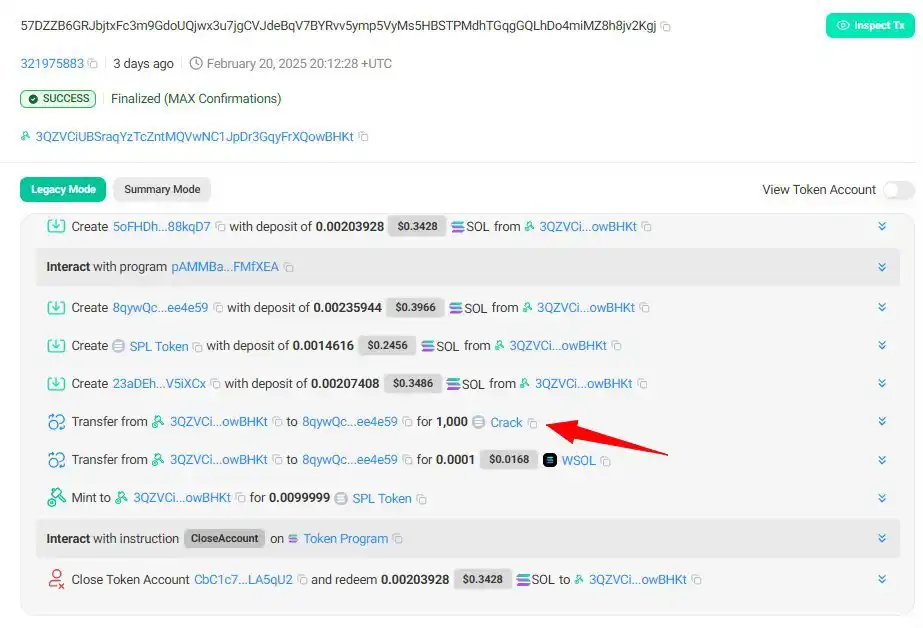
So far, all Meme coin liquidity has relied on Raydium. But now:
• You create a token and it can be traded immediately.
• Traders do not need to switch platforms.
• Pump.fun is becoming a fully independent ecosystem.
This may shift the power balance on Solana.

Advantages of the new AMM:
• Instant liquidity without relying on external platforms.
• Fully integrated with Pump.fun.
• Early opportunities for traders → arbitrage and potential system vulnerabilities.
• If this project is successful, it is an early opportunity to enter a new market.
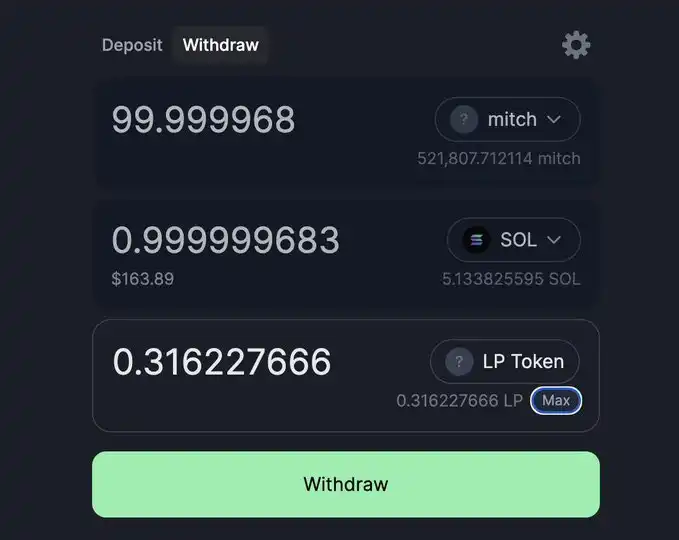
Risks and Drawbacks:
• Still in beta stage → potential vulnerabilities and security risks.
• Liquidity has not reached Raydium's depth yet.
• There is no guarantee that traders will fully migrate to this AMM.
It's either Pump.fun dominates the market share, or this AMM remains niche.
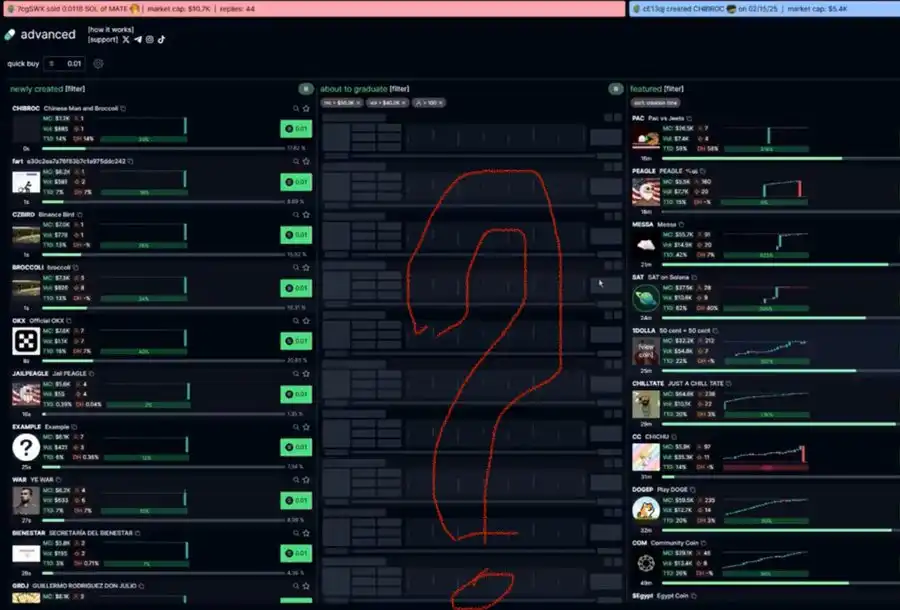
How does this affect $RAY?
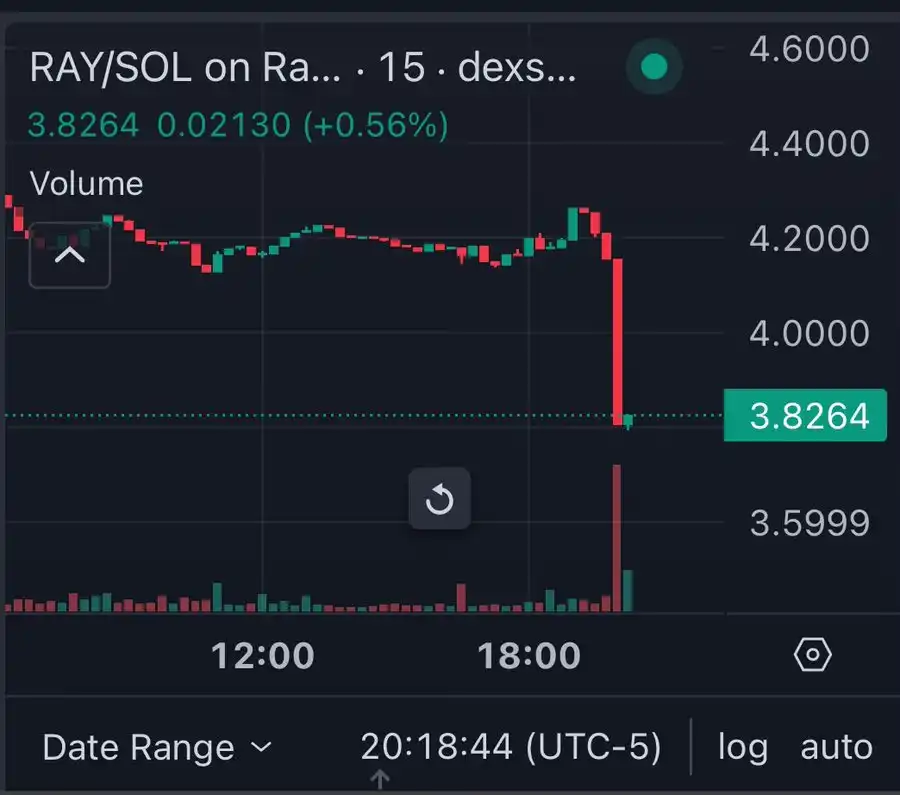
Raydium has already felt the pressure. $RAY dropped 10% after the AMM release news. Why?
• If liquidity starts flowing out, Raydium's pool revenues will be impacted.
• Decrease in trading volume = reduced interest in the DEX = further price decline.
• If this trend continues, $RAY could face an even bigger hit.
Raydium is losing control of Solana liquidity.
What to do next?
• Try the new AMM.
• Monitor liquidity and new tokens.
• Continue to observe Raydium's performance—can they defend their position?

You may also like

How much longer can Ethereum's last big buyer hold on?

The pricing controversy of Trade.xyz exposes the fatal weakness of Pre-IPO perpetual contracts

World Cup 2026 Coming – WEEX Celebrates with $1M Prize Pool & Michael Owen Live

Galaxy in-depth report: Is Solana still worth paying attention to?
Young people in South Korea make a "final effort" in the epic bull market

Dialogue with OmenX Founder: Why does the prediction market need an evolution from "spot" to "derivatives"?
When the P2P illicit funds from ten years ago turned into 60,000 bitcoins

Morning News | CME Group launches Nasdaq Cryptocurrency Index futures; Asset management giant Janus Henderson strategically invests in Ethena
Why did Oracle deliver the strongest financial report in history, yet its stock price fell?

Bitcoin Layer 2 Network Botanix: Why Did We Choose to Dissolve?

Morning Report | OpenAI has submitted an S-1 registration statement draft to the U.S. SEC; Morpho completes $175 million financing

Galaxy Deep Research Report: How Hyperliquid's HIP-4 Upgrade Changes the Landscape of Prediction Markets?

Latest research from 13 top universities including Cornell University: The current state, challenges, and misconceptions of the fusion of Crypto and AI
Deconstructing Anthropic: The Best AI Company, Possibly Also a Type of Organizational Invention

Every exchange is a "Universal Exchange."

The counterattack of traditional finance: Alliance chains are quietly reviving
Pantera Capital Partner: How Tokenization is Restructuring the Private Equity and Early Investment Ecosystem?

Mastercard Launches Agent Pay for AI, Plans to Record AI Agent Payment Authorizations on Polygon
Mastercard launched Agent Pay for AI, a new payment protocol designed to help AI agents make small payments such as pay-per-use access to data and APIs. The system plans to record human-granted AI agent permissions on Polygon, focusing on verifiable authorization, identity, and payment controls.
How much longer can Ethereum's last big buyer hold on?
The pricing controversy of Trade.xyz exposes the fatal weakness of Pre-IPO perpetual contracts
World Cup 2026 Coming – WEEX Celebrates with $1M Prize Pool & Michael Owen Live
Galaxy in-depth report: Is Solana still worth paying attention to?
Young people in South Korea make a "final effort" in the epic bull market
Dialogue with OmenX Founder: Why does the prediction market need an evolution from "spot" to "derivatives"?

Popular coins
Latest Crypto News


