
Beyond the Bear Market: A Comprehensive Review of Upcoming Top-Tier Public Chain Eco Projects Ready for TGE

Last night, Berachain went live on a mainstream trading platform, with the price briefly exceeding $15. The bulls and bears fiercely battled, and in less than 24 hours, the trading volume surpassed $2.2 billion. However, the price has since retraced 50% from its peak, leaving many to lament that this was yet another bearish feast.
Related Read: "Overview of Popular Ecosystem Projects on Berachain Mainnet"
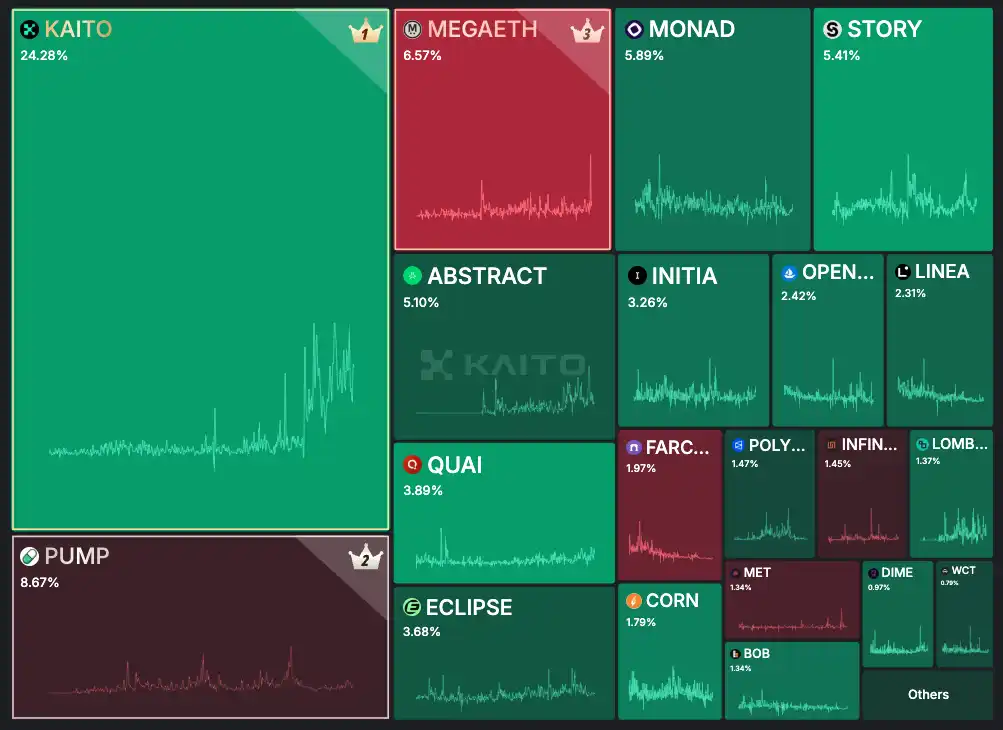
According to Kaito's Mindshare ranking, today's top-ranking crypto projects include MegaETH, Monad, Story, Abstract, and more. These well-known projects have not yet conducted their Token Generation Events (TGE). BlockBeats has compiled a list of popular projects in their ecosystem for readers to reference.
MegaETH
MegaETH has just announced the launch of a new NFT series called The Fluffle, with a total supply of 10,000. The whitelist price is set at 1 ETH, and holders are entitled to 5% of future token allocations. However, due to the high pricing, the community has accused the project of engaging in a liquidity grab. Moreover, the fact that it has not yet launched on the testnet has raised doubts about its delivery capabilities. Nevertheless, its ecosystem projects have garnered increasing attention from the community recently. Below are some popular projects in the MegaETH ecosystem.
GTE
Global Token Exchange (GTE) is the flagship exchange platform in the MegaETH ecosystem. On January 17, GTE announced that it had raised $10 million in three rounds of funding. This includes $1.5 million in pre-seed funding, $6.942 million in seed funding, and $2.5 million in community funding, the latter of which was carried out on the platform Echo founded by crypto trader Jordan Fish (aka Cobie).
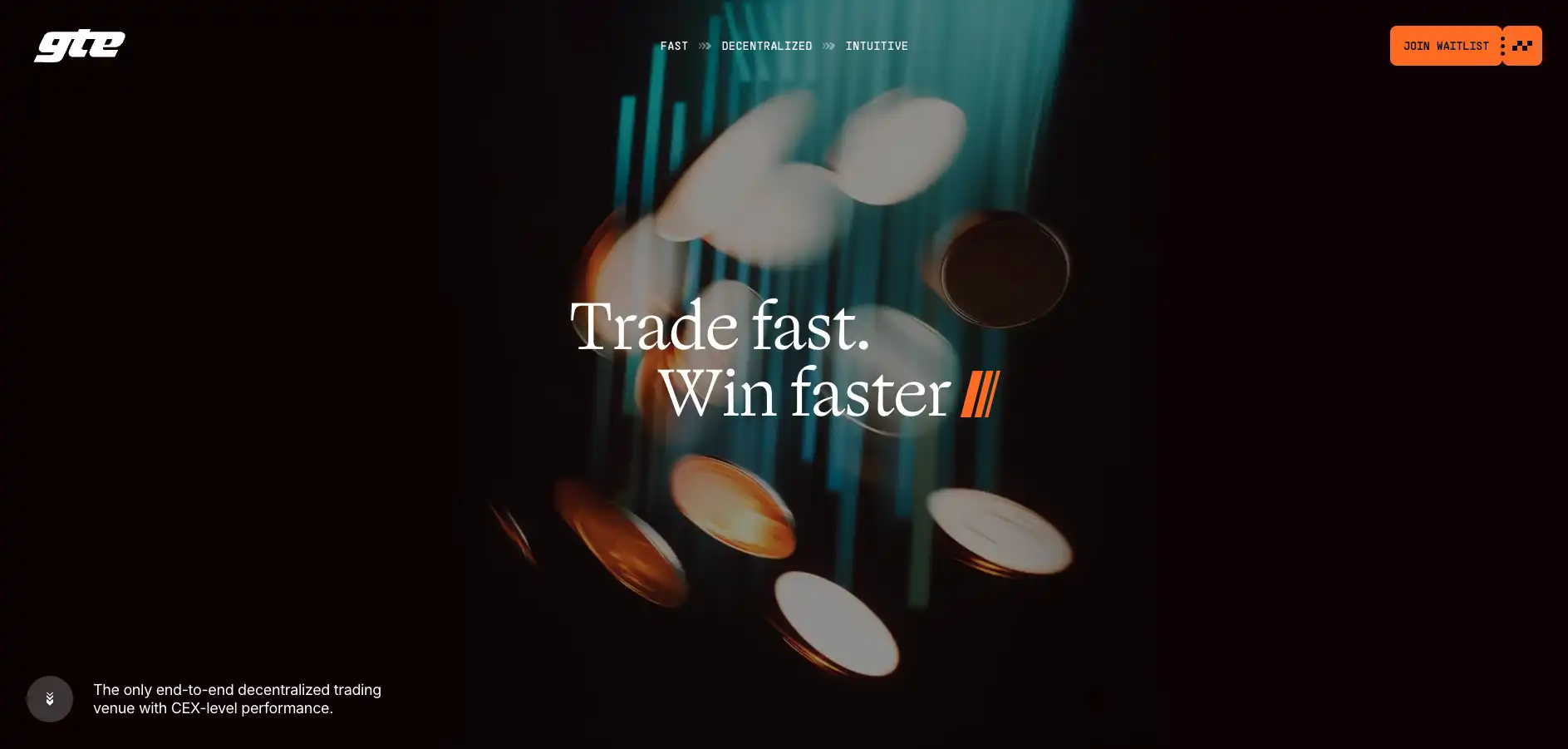
GTE enables users to trade with the best prices by integrating features such as asset creation, spot, and leverage trading. The platform also provides fair Launchpad and Takeoff services for token issuance while ensuring that users always have control of their funds. Users can enjoy centralized exchange-like speed and liquidity while maintaining decentralized security and transparency.
CAP Labs
CAP is a stablecoin engine that provides on-chain yield through external revenue sources such as arbitrage, MEV, and RWAs. Unlike traditional internally collateralized designs, CAP offers a flexible yield strategy where users only need to choose the stablecoin denomination they wish to hold, behind which a continuously evolving strategy generates yield. CAP's stablecoins are redeemable on demand and fully decentralized, ensuring users always have control of their assets while avoiding the high risks and opacity of traditional finance. According to MegaETH team member Jin, CAP has completed a $1.9 million pre-seed funding round.

Euphoria
Euphoria is a derivatives trading platform that aims to redefine the derivatives trading experience, transforming the traditional complex and serious trading process into a relaxed, social, and fun interactive form. Through its mobile-first Tap Trading platform, Euphoria enables users to engage with the market in a more intuitive, gamified manner without worrying about complex technical details.

Founders Nathan and Casey have extensive backgrounds in the crypto industry. Nathan previously founded LocalCoinSwap and accumulated rich trading and product development experience in the crypto space, then established DeFi Cartel before ultimately founding Euphoria. Casey is an educator and business development expert in the crypto industry, fully immersing himself in DeFi upon discovery and exiting his crypto education company in 2024.
Noise
Noise is an innovative project within the MegaETH ecosystem dedicated to building a new trading paradigm in the crypto market called "Mindshare" trading. The platform isolates the implicit influencing factors of "mindshare" from traditional market analysis and transforms them into a tradable asset class. Users can trade not only the tokens themselves but also the market sentiment for a specific token or sector.
This mechanism provides a new dimension for market analysis, allowing traders to trade based on market sentiment fluctuations and changes in attention, thereby creating new investment strategies. Through this innovation, Noise may change the price discovery mechanism of traditional markets, shifting trading focus not only around asset prices but expanding it to the game of "market mind," bringing a more efficient and transparent pricing system to the market.
Monad
On February 4, the parallel EVM network Monad hinted that the testnet will launch sometime this month, and here are the currently popular projects in its ecosystem.
aPriori
aPriori is Monad's native MEV-driven liquidity staking platform, aiming to optimize Monad's network performance and user experience by developing a new MEV and liquidity staking architecture. Currently, aPriori has raised a total of $10.7 million, and its team members come from the high-frequency trading sector, with experience at top companies like Jump Crypto, Flow Traders, and Coinbase.
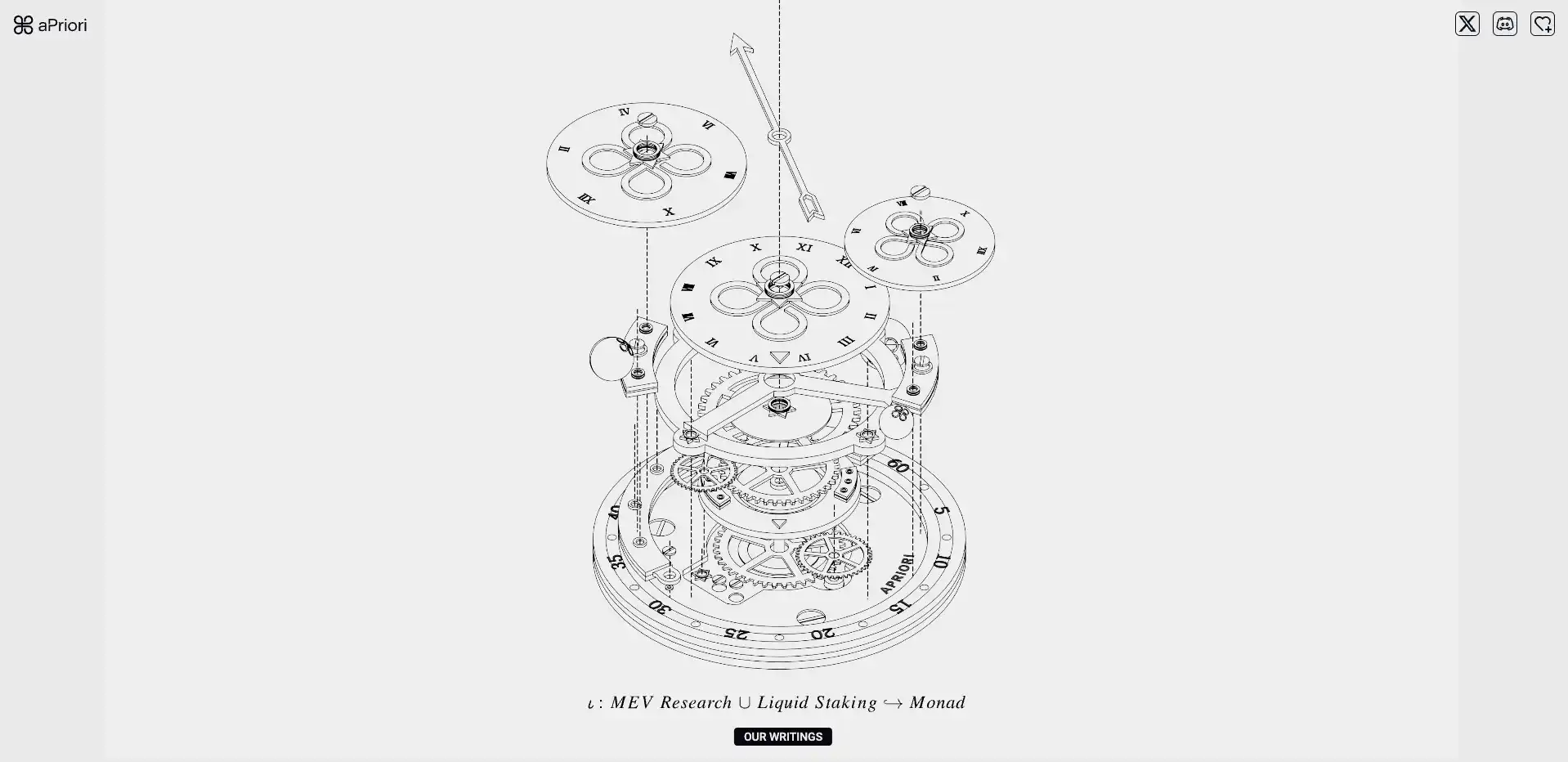
aPriori has proposed a new MEVA design paradigm: probabilistic valuation. This solution uses a partially block-sized auction, allowing builders to construct the top of blocks from the packages submitted by searchers, while validators append the remaining transactions from the public mempool. This approach significantly reduces latency, maximizing alignment with Monad's performance.
Kuru
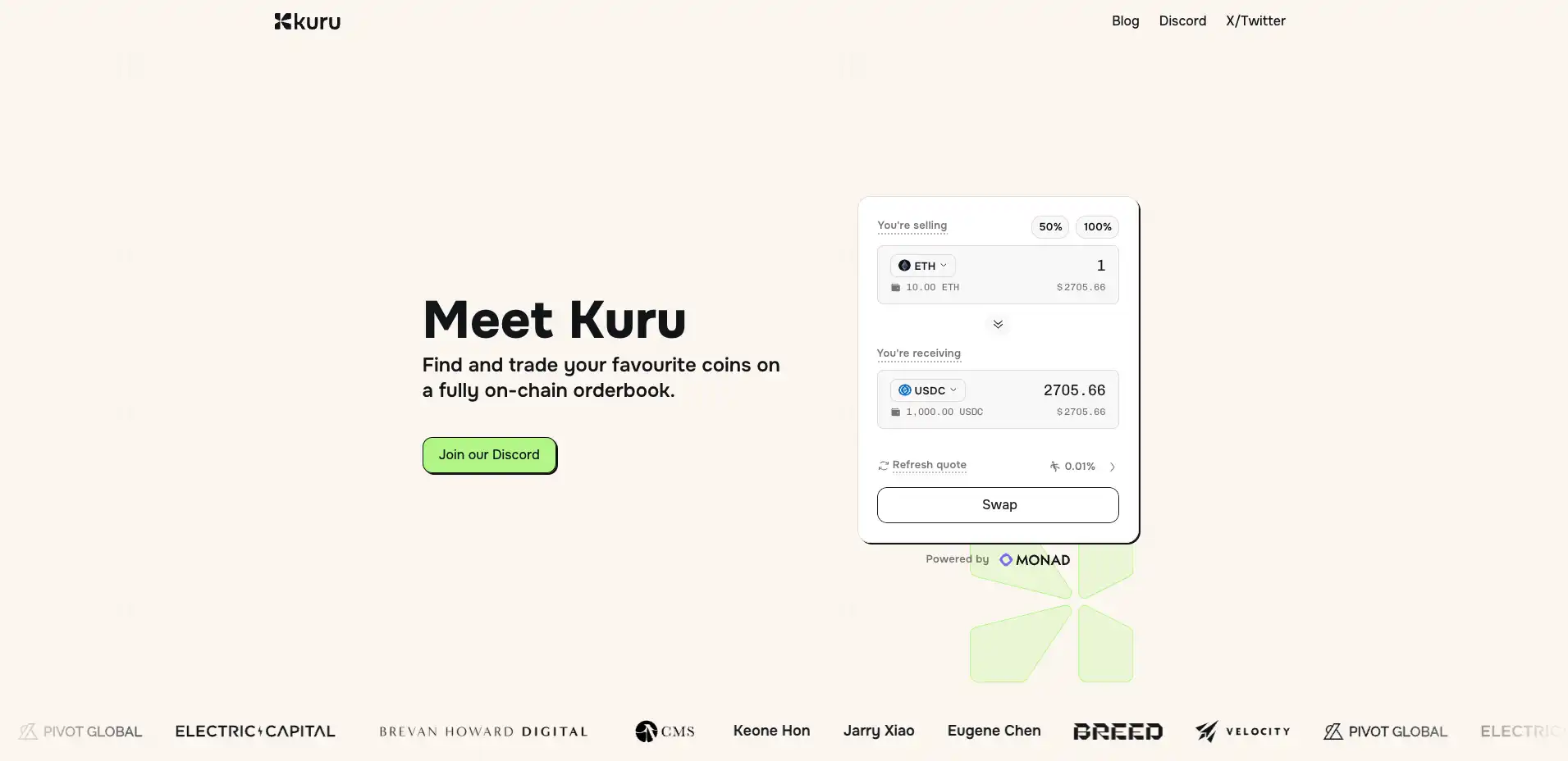
Kuru is a fully on-chain order book platform that completed a $2 million seed round financing in July last year with support from the Monad blockchain. Kuru has achieved high throughput and low transaction costs, enabling market makers to frequently update quotes without the burden of high fees and slow block times, thus providing better prices and lower slippage. Kuru's design optimizes the EVM environment, allowing users to create and cancel limit orders with lower fixed gas fees, thereby enhancing market liquidity and spread.
Kintsu
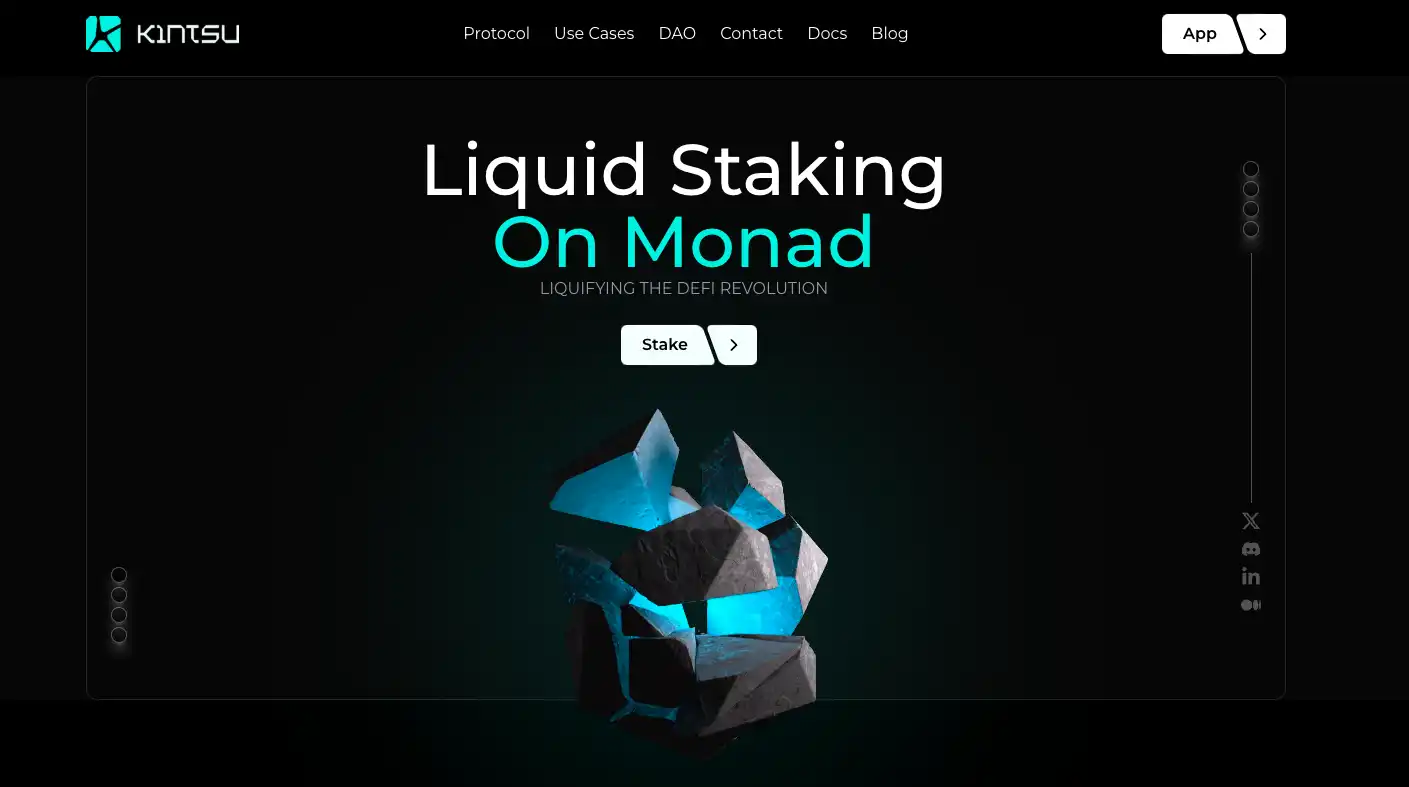
Kintsu is Monad's native liquidity staking protocol, aiming to address the liquidity issue in traditional PoS staking, providing users with a more flexible and valuable staking method that allows users to securely lock up their funds while fully utilizing their assets. It completed a $4 million seed round financing in July of last year.
NFT Series
The Monad ecosystem places a strong emphasis on NFT culture, and the following are some of the NFT series that have garnered community attention:
A characteristic PFP NFT based on the Monad ecosystem, inspired by the Monad ecosystem mascot "Chog".
An eagerly anticipated NFT project on the Monad chain, with its core product being the Monanimals NFT series.
A futuristic-style PFP NFT project initiated by Monad community members @barrybutterhand and @edenwagmi.
An early NFT project in the Monad ecosystem, built by @andlfthegreat, @jakxpixel, and @0xkaya_.
Story Protocol
On February 4th, Story Protocol released its whitepaper for The Story, with the mainnet set to launch soon. It has also initiated a new round of incentives on Binance. Below are some popular projects in the Story ecosystem.
PiperX
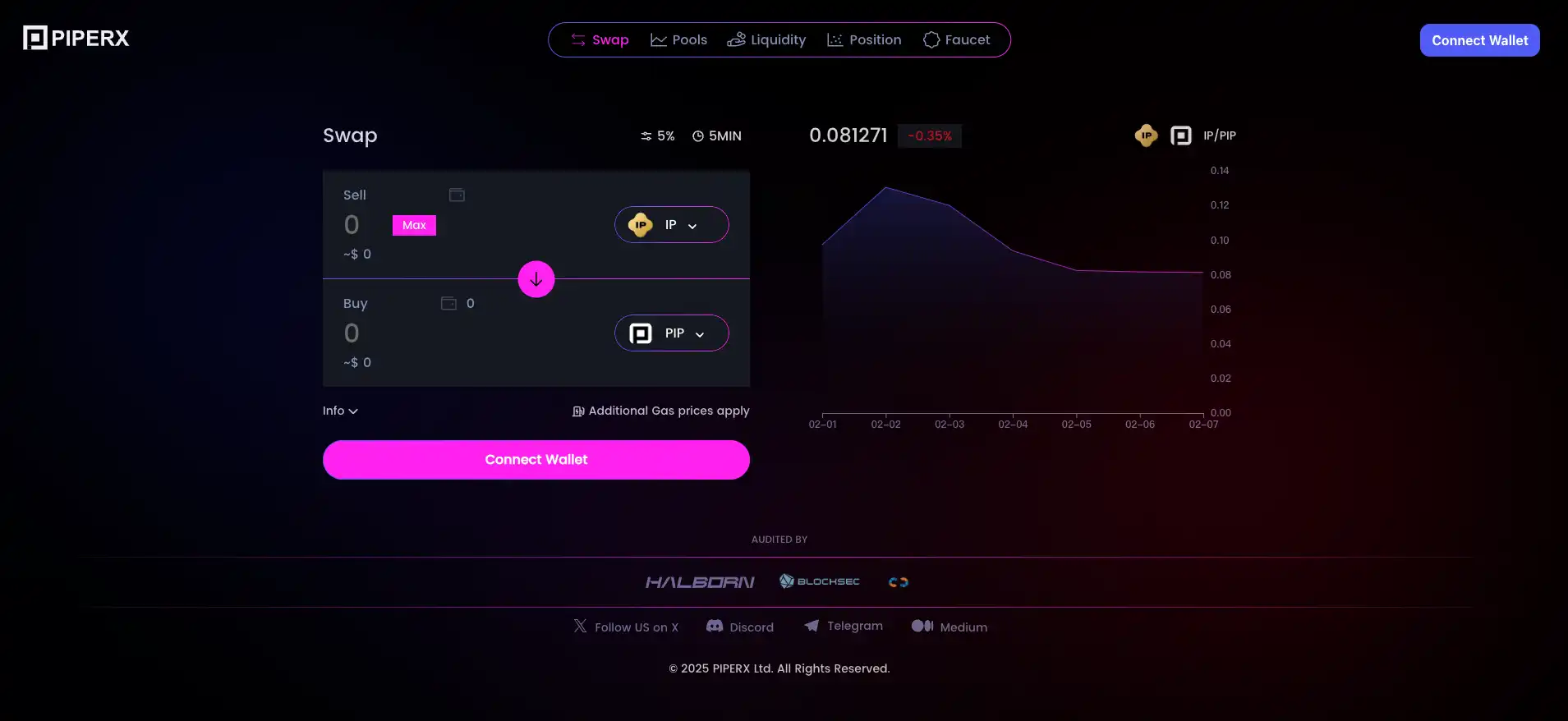
PiperX is the native DEX of the Story Protocol ecosystem.
Spotlight Protocol
Spotlight is a platform that combines AI, crypto, and meme culture, aiming to transform "story" into an economy. Through Story Protocol, Spotlight enables intellectual property (IP) to become a tradable, stakeable, and self-protecting asset, addressing core issues faced by traditional meme coins such as lack of branding and creator benefits.
As a decentralized layer for IP verification and liquidity, Spotlight not only provides a new economic incentive system for IP creators, Token creators, and the community but also builds a unique IP governance mechanism through market trust weight. In this way, Spotlight truly turns Meme culture into a valuable economic engine, driving the comprehensive development of IP on the blockchain.
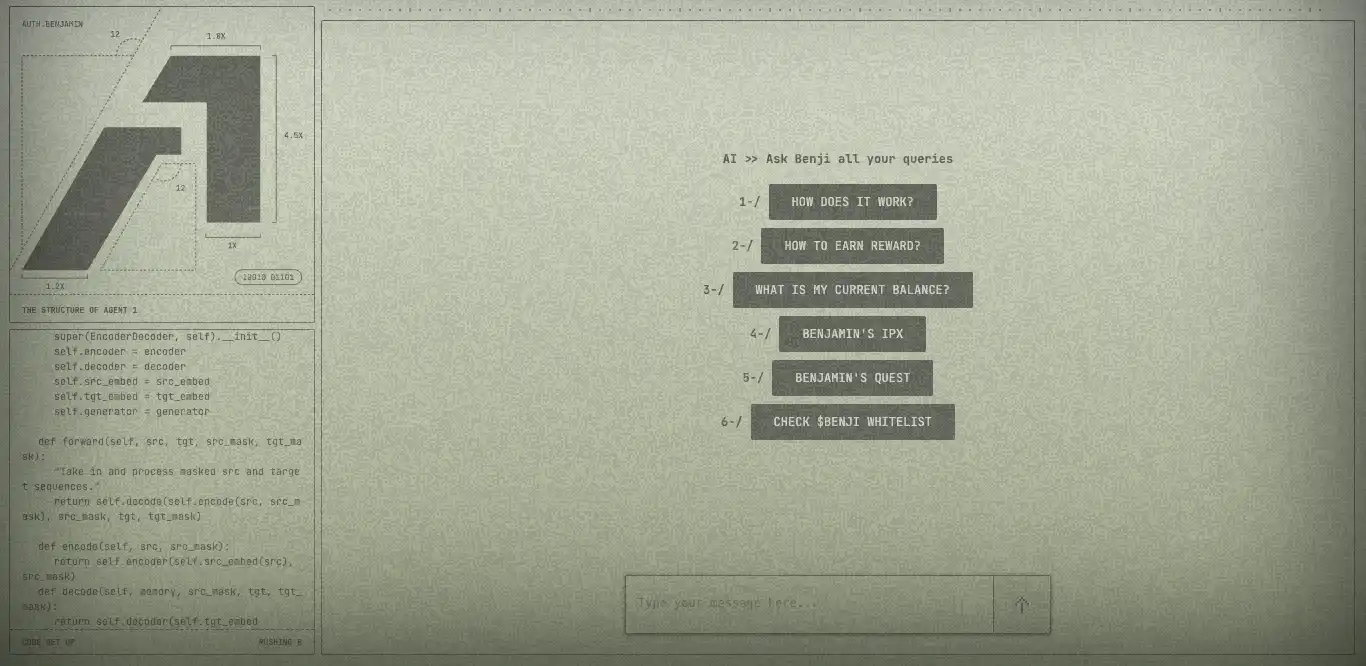
Benjamin
The first DeFAI-focused AI Agent in the Story ecosystem, supported by the IP management and lending marketplace Unleash Protocol on Story.
Abstract
On January 27, the Layer 2 network Abstract Chain, designed for on-chain culture and communities, has launched its mainnet. The project was developed by Igloo Inc., the parent company of the NFT project Pudgy Penguins, which previously acquired the on-chain creator economy platform Frame. According to community feedback, Abstract currently values user activity, and different roles have various ways to participate in the mainnet ecosystem. Below are some popular projects in the Abstract ecosystem.
Roach Racing Club: A gamified trading race universe where players control crypto-related roaches and compete for rewards.
Moonshot: A Memecoin launchpad provided by DexScreener, where users can quickly conduct a fair coin launch for less than $2 and receive a free enhanced token listing.
Witty: A player-versus-player puzzle (PvZ) gaming platform where players create puzzle challenges, set rewards, invite others to participate, and earn cryptocurrency.
Multiplier: A platform focused on earning above-average returns in the meme and metaverse space.
Vibes TCG: A hybrid digital and physical trading card game featuring the officially licensed Pudgy Penguins IP, where players can collect, trade, and compete with Pudgy Penguins of unique abilities and rarity to build their dream card deck.
Myriad: A prediction platform where users can predict various events, including the Super Bowl, presidential elections, Memecoin market cap, and more, and earn rewards.
Alphabot: A Web3 decentralized lottery platform that helps users discover new projects, win allocations, and support their favorite creators.
You may also like

Bitcoin Trading Guide 2026: Strategies for Experienced Traders

What Is XAUT and PAXG? Why Tokenized Gold Is Booming in 2026

Cryptocurrency CEXs are flocking to sell US stocks, and traditional brokerages are facing an "uninvited guest."

Will the SpaceX IPO Hurt Bitcoin? Here's What Traders Are Watching
Foreign selling in the South Korean stock market accelerates, with cumulative net sales reportedly reaching $75 billion this year
On June 9, The Kobeissi Letter, citing Goldman Sachs data, reported that global investors are selling South Korean stocks at an unusually rapid pace. In the latest trading session, foreign investors sold about $801 million worth of Kospi constituent stocks again; total foreign outflows last week reached about $10 billion, and the market has been in net foreign selling on nearly every trading day over the past month. According to the data cited in the report, foreign investors have sold about $75 billion worth of South Korean stocks so far this year. Meanwhile, South Korean retail and institutional investors together recorded roughly $69 billion in net buying over the same period, suggesting that the market’s main buying support has come from domestic capital rather than returning overseas funds. The information currently disclosed still mainly comes from The Kobeissi Letter’s retelling and Goldman Sachs data summaries, while public details on the statistical period and the specific definition of “selling” remain relatively limited.

Fortune Warns of Strategy’s Financing Structure Risks as Bitcoin Premium Narrows
Fortune warned that Strategy’s Bitcoin treasury model faces growing financing risks as MSTR’s net asset premium narrows and preferred stock dividend pressure increases.

Ferrari Challenge Le Mans: Carl Moon to Dominate in WEEX Livery

Sahara AI Responds to SAHARA’s Sharp Drop: No Contract or Product Security Issues Found, Internal Investigation Underway
Sahara AI responded to SAHARA’s 60% price drop, saying no token contract or product security issues have been found and an internal investigation is underway.

WEEX Deposit/Withdrawal Dynamic Island: Your Asset Status, Always in Sight

Scaling Crypto Derivatives: The Digital Asset Infrastructure Behind High-Volume Trading
In the fast-moving digital asset ecosystem, derivatives platforms face an extreme architectural test. High-leverage futures markets demand more than just standard security—they require absolute operational precision, zero-latency matching engines, and ironclad structural scalability, all while navigating intense market volatility.
As global platforms scale to meet these demands, the industry is shifting away from rigid, monolithic setups toward a more agile, "decoupled" infrastructure philosophy.
The Blueprint for High-Volume Copy TradingFor elite global exchanges like WEEX (founded in 2018), this architectural choice becomes critical when scaling high-volume retail features like social copy trading. When thousands of users automatically mirror the real-time strategies of elite traders simultaneously, it triggers sudden, monumental spikes in concurrent transactional volume.
To prevent execution latency or settlement bottlenecks during these peak volatility events, a platform's primary engine must remain entirely dedicated to risk management, copy-trade synchronization, and order matching.
The Architectural Rule: New-generation platforms must separate front-end user execution engines from heavy backend infrastructural overhead to eliminate operational friction.
By separating these layers, platforms can maintain complete sovereignty over their trading environments and user experiences while strategically aligning with institutional-grade infrastructure ecosystems. This strategic framework allows modern exchanges to leverage advanced Digital Asset Custody infrastructure such as Cobo’s behind the scenes, ensuring that backend wallet management scales elastically alongside trading spikes.
Capitalizing on Market Momentum and 400× LeverageIn a derivatives arena where platforms offer up to 400× leverage on perpetual contracts, capital efficiency and market agility are core business metrics. To capture market momentum, an exchange needs the ability to rapidly expand its asset offerings, supporting everything from legacy crypto assets to sudden, trending altcoins across a massive library of trading pairs.
Adopting a flexible, scalable Wallet-as-a-Service (WaaS) solution such as Cobo’s could completely rewrite the development timeline for high-growth exchanges. Instead of spending months of engineering capital building out custom backend wallet architectures for every new blockchain network, platforms can deploy localized infrastructure in days.
This agility allows platforms to instantly scale their listings to over a thousand trading pairs without compromising security or delaying time-to-market. It mirrors the exact operational advantages seen during high-velocity market events, similar to how advanced wallet infrastructure empowers platforms during sudden asset surges; allowing exchanges to pass that speed and liquidity directly to their global user base.
A Mature Foundation for GrowthThe synergy between trusted infrastructure ecosystems and global trading platforms represents the natural evolution of a maturing crypto market. As WEEX continues to scale its global spot and derivatives offerings for over 6 million users, adopting robust backend paradigms proves that platforms no longer have to compromise between cutting-edge trading velocity and uncompromised structural security.

Morning Report | BitMine increased its holdings by 126,971 ETH last week; trader Eugene announced his exit from the crypto market

Wang Chuan: How can one not feel anxious after the neighbor Old Wang made thirty times profit by investing in storage stocks? (Seven) - A quarter-century cycle

Get Paid to Onboard? Try WEEX’s New Homepage with Rewards for Registration, Deposit & Trade

WEEX Custom Layout: Build Your Perfect Trading Workspace in Seconds

See “Buy Walls” & “Sell Walls” Instantly: WEEX Launches the Depth Chart for Smarter Trades

What Is Quick Trade on WEEX? 2 Ways WEEX Ends Chart-Panel Jumping
Morning News | Five major virtual asset platforms in South Korea have experienced 57 incidents of hacking and system failures in six years; Grayscale submits registration application for Canton ETF
Should we escape the peak? The principle of the tail-end market in the stock market
Bitcoin Trading Guide 2026: Strategies for Experienced Traders
What Is XAUT and PAXG? Why Tokenized Gold Is Booming in 2026
Cryptocurrency CEXs are flocking to sell US stocks, and traditional brokerages are facing an "uninvited guest."
Will the SpaceX IPO Hurt Bitcoin? Here's What Traders Are Watching
Foreign selling in the South Korean stock market accelerates, with cumulative net sales reportedly reaching $75 billion this year
On June 9, The Kobeissi Letter, citing Goldman Sachs data, reported that global investors are selling South Korean stocks at an unusually rapid pace. In the latest trading session, foreign investors sold about $801 million worth of Kospi constituent stocks again; total foreign outflows last week reached about $10 billion, and the market has been in net foreign selling on nearly every trading day over the past month. According to the data cited in the report, foreign investors have sold about $75 billion worth of South Korean stocks so far this year. Meanwhile, South Korean retail and institutional investors together recorded roughly $69 billion in net buying over the same period, suggesting that the market’s main buying support has come from domestic capital rather than returning overseas funds. The information currently disclosed still mainly comes from The Kobeissi Letter’s retelling and Goldman Sachs data summaries, while public details on the statistical period and the specific definition of “selling” remain relatively limited.
Fortune Warns of Strategy’s Financing Structure Risks as Bitcoin Premium Narrows
Fortune warned that Strategy’s Bitcoin treasury model faces growing financing risks as MSTR’s net asset premium narrows and preferred stock dividend pressure increases.


